Contemporary heavy industry — from offshore oil platforms to petrochemical facilities, nuclear power plants to steel mills and ultra-deep underground mines — operates daily within hostile environments where human error or structural failure carries systemic risks and immense operational costs. Historically, inspection, monitoring, and extraordinary maintenance in these settings required human operators exposed to lethal conditions: extreme temperatures, toxic or explosive atmospheres (ATEX), ionizing radiation, and confined spaces.
Over the past five years, the convergence of precision mechanics, hyperspectral sensing, and edge computing powered by artificial intelligence algorithms has birthed a new generation of robotic systems for extreme environments. We are no longer discussing simple remote-controlled drones or passive rovers, but autonomous multifunctional robotic platforms capable of navigating complex GPS-denied environments, collecting high-frequency analytical data, and performing complex maintenance tasks.
1. The New Hardware Morphology of Industrial Robotics
To operate where human life is unsustainable or where process efficiency demands 24/7 continuous monitoring, robotic engineering has developed specialized physical architectures:
A. Quadruped Robots and Mobile Ground Platforms
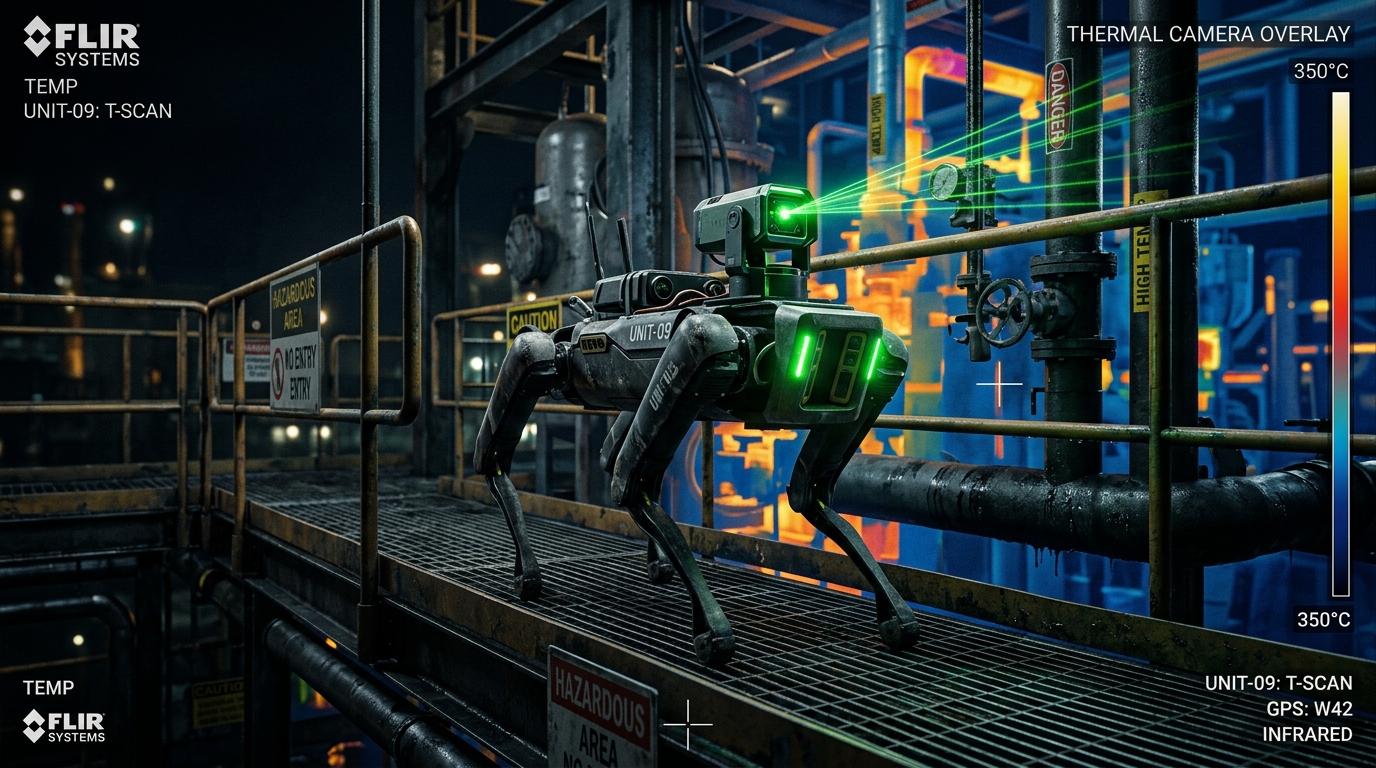
Quadruped robots (such as appropriately reinforced ANYbotics ANYmal X or Boston Dynamics Spot units) represent the state of the art for visual and acoustic inspection in complex facilities. Articulated kinematics allow them to negotiate stairs, metal gratings, elevated piping, and debris, ensuring stability across slippery or chemical-covered surfaces.
- ATEX Zone 1/21 Certification: Fundamental for chemical and Oil & Gas sectors. Systems are fully sealed and internally pressurized with inert gas to prevent electrical ignition of flammable vapors.
- Thermal and Electromagnetic Resilience: Advanced ceramic shielding and aerogels enable operations at ambient temperatures up to +150°C near blast furnaces or high-pressure steam conduits.
B. Confined Space and Underwater Drones (ROV/AUV)
- Confined Space Drones: Systems like the Flyability Elios series use decoupled outer protective cages and ultrasonic collision sensors to navigate boilers, storage tanks, chimneys, and penstocks — eliminating the need for internal scaffolding and human entry teams.
- Micro-AUVs (Autonomous Underwater Vehicles): For inspecting subsea pipelines, offshore platform jackets, and nuclear cooling basins. Utilizing thrust-vectoring thrusters and high-frequency sonar, they detect wall thickness loss caused by marine or bacterial corrosion.
2. Advanced Sensing and Multi-Spectral Diagnostics
The robotic platform serves merely as a mobile chassis; the true core value lies in its integrated diagnostic payload. To convert physical scans into real-time operational decisions, extreme robotics platforms integrate high-fidelity sensor arrays:
[Diagnostic Payload: LiDAR / Thermal IR / OGI / EMAT]
                      │
                      ▼
         [Edge AI Processing Unit]
                      │
        ┌─────────────┴─────────────┐
        ▼                           ▼
[Autonomous SLAM Navigation] [Anomaly & CUI Detection]- Optical Gas Imaging (OGI) & IR Radiometry: High-sensitivity cooled cameras that visualize fugitive gas leaks invisible to the naked eye (methane, CO₂, benzene, CO), quantifying volumetric leak rates.
- EMAT Ultrasonics (Electromagnetic Acoustic Transducers): Measure metallic wall thickness without removing thermal insulation coatings or applying liquid couplants, pinpointing insidious Corrosion Under Insulation (CUI).
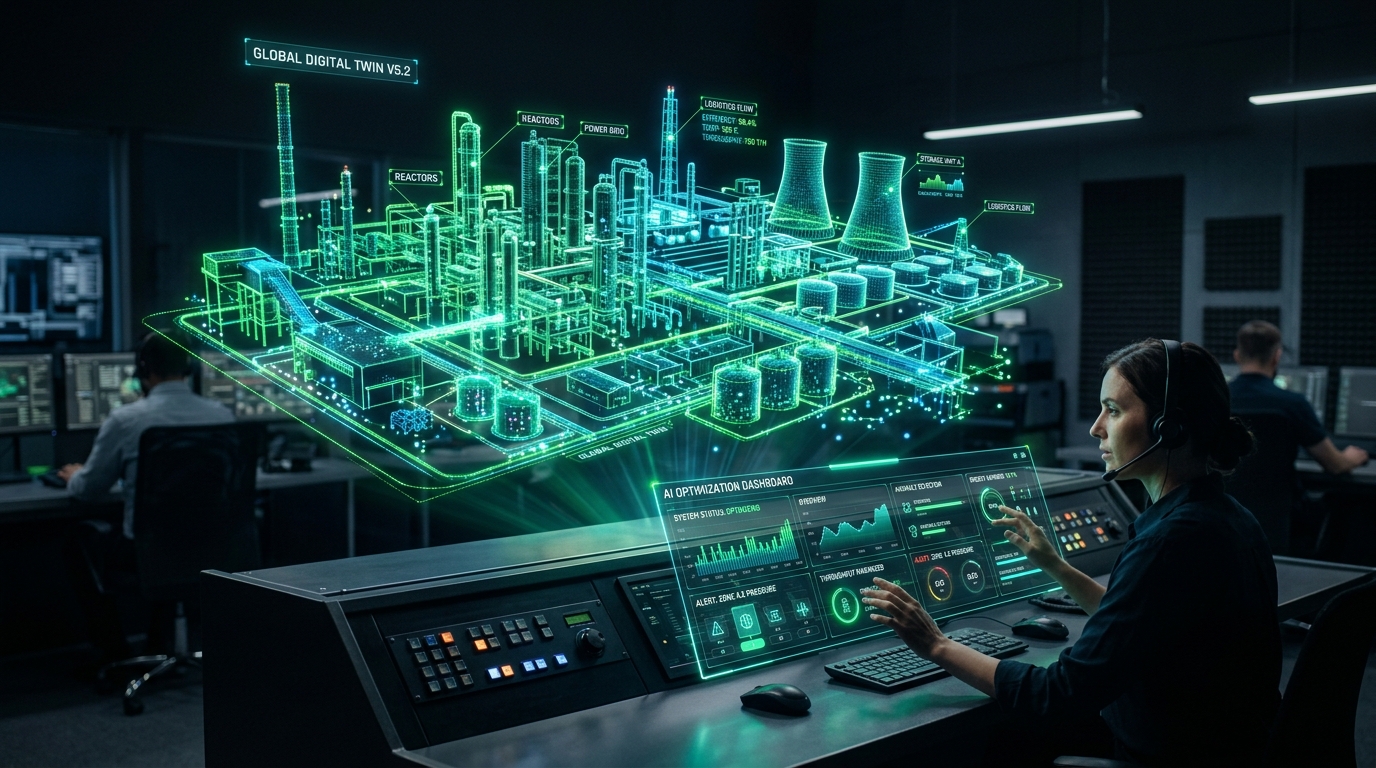
- 3D LiDAR & Photogrammetric Scanning: Continuously generate plant Point Clouds to compare current physical geometry against nominal CAD/Digital Twin baselines, identifying millimeter-scale deformations induced by thermal or structural stress.
- High-Definition Acoustic & Ultrasonic Arrays: Analyze frequency signatures from pump bearings, compressors, and valves to detect cavitation or abnormal friction prior to catastrophic failures.
3. Autonomous Decision-Making via Edge AI and Visual SLAM
Navigating complex industrial plants presents three major technological hurdles: GPS-denied environments, poor or zero lighting, and dynamic obstacles (e.g., moving machinery, steam leaks).
Modern robotic maintenance platforms overcome these challenges by combining multi-sensory Simultaneous Localization and Mapping (SLAM) algorithms (LiDAR-Visual-Inertial). Edge computing chips (Edge AI) process data onboard, preserving operational autonomy even during total communications blackouts with control rooms.
| Navigation Technology | Key Advantage | Typical Application |
|---|---|---|
| LiDAR-Inertial SLAM | High metric precision, independent of ambient light | Mining shafts, cable galleries, storage tanks |
| Visual-AI Odometry | Contextual object and safety sign recognition | Chemical plant corridors, refinery decks |
| Thermal-Visual Fusion | Guaranteed visibility in dense smoke or steam | Robotic firefighting and rescue squads |
4. Economic Impact and ROI Evaluation for Industry
Adopting robotics for maintenance in high-risk environments is not merely a health, safety, and environmental (HSE) risk mitigation measure, but a powerful profitability driver for industrial operators.
                    ┌──────────────────────────────────────────────┐
                    │ HSE RISK ELIMINATION & ZERO WORKPLACE INJURY │
                    └──────────────────────┬───────────────────────┘
                                           │
                                           ▼
┌──────────────────────────┐    ┌──────────────────────────┐    ┌──────────────────────────┐
│ REDUCED DOWNTIME (70%)   │ ➔  │ ZERO SCAFFOLDING COSTS   │ ➔  │ EXTENDED ASSET LIFE      │
│ Live hot-site inspections│    │ No plant shutdowns needed│    │ Plus 15–20 operational yrs│
└──────────────────────────┘    └──────────────────────────┘    └──────────────────────────┘
Financial Metrics of Robotic Maintenance:
- Unplanned Downtime Elimination: In Refining & Petrochemicals, one hour of unplanned downtime can cost $100,000 to over $500,000. Robots enable live “hot-site” inspections during full production, avoiding thermal unit shutdowns.
- Setup Cost Reduction: Eliminating internal scaffolding for tank inspection reduces scheduled turnaround times from weeks to days, yielding operational savings over 60% per intervention.
- ESG and Insurance De-risking: Plants deploying autonomous robotic inspection record 90% lower accident rates, securing significant reductions in property and casualty insurance premiums.
5. The Mantohn SA Strategic Perspective
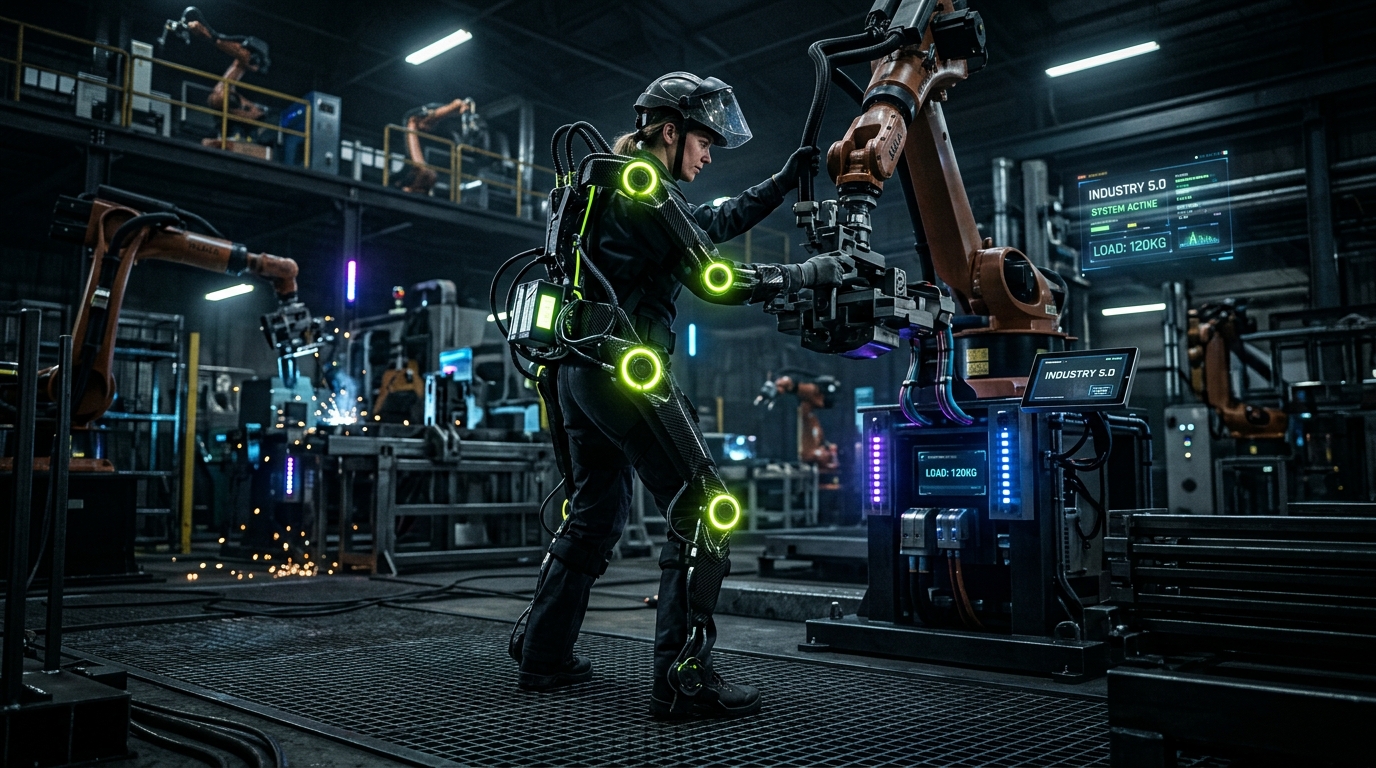
Mantohn SA identifies Robotics in Extreme Environments (Extreme Robotics) as a core pillar of the transition to Industry 5.0. We believe enterprise value sits at the intersection of resilient hardware, proprietary sensing payloads, and fleet orchestration software platforms.
Our investment thesis focuses on three high-growth technological vectors:
- Robotics-as-a-Service (RaaS) for Offshore & Subsea Inspection: Recurring revenue business models combining autonomous hardware with AI-driven diagnostic reporting.
- Swarm Robotics & Cooperative Autonomy: Fleets of micro-drones and ground rovers mapping and performing coordinated interventions during industrial emergencies or hazardous site remediations.
- Cybersecurity & Hardware Hardening: Hardened communications and diagnostic data channels for critical infrastructure assets against external cyber threats.
Extreme robotics has moved past prototyping into mass market deployment. Industrial operators integrating these technologies into maintenance workflows will establish unassailable competitive advantages across cost efficiency, operational continuity, and safety.